
35 Years of Hydraulic Expertise · Old-School Communication. New-School Service.
Walk-In Shop · Clinton, MA
Drop it off. We disassemble and inspect first — then send you photos of any damage and a quote before any work begins. Nothing happens until you approve it. Up to 1-year warranty on eligible repairs.
Free Estimates
Photos Before Work
1-Year Warranty
Full Machine Shop
Any Size Cylinder
Every component that comes through our shop is photographed end-to-end during disassembly. The set below is a real teardown sequence — the kind of record we build for every job. It is part of how we work: old-school craftsmanship paired with modern documentation.
The images below are presented as a thumbnail contact sheet so the complete inspection set can be shown in a single view for illustration. Click the image to view it full-screen, where every photo is enlarged and readable.
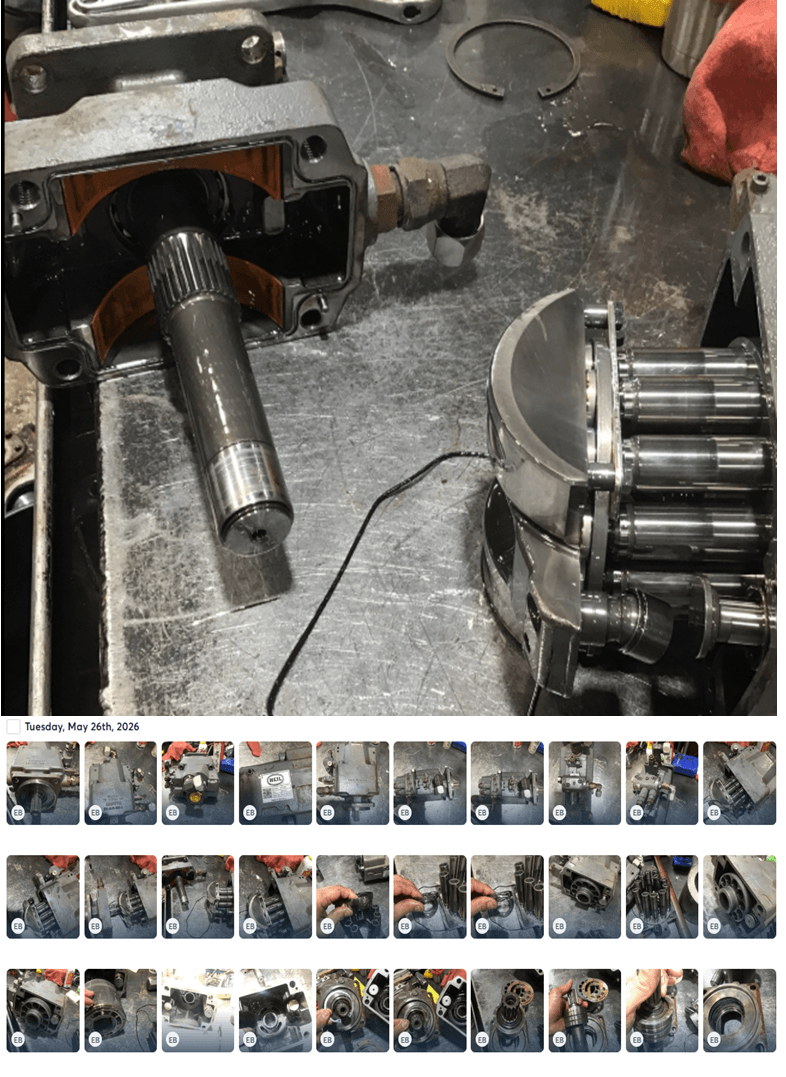
Old School Craftsmanship · New School Technology
Full photographic record archived on file
Industrial hydraulic solutions · Built to keep your equipment running
How we work, and why it works for you
The T.T. Weber Difference
The hydraulic industry has been around a long time, and so have we. We hold on to what works — the hands-on skill, the standing-behind-the-work — and we’ve modernized the things customers always wished other shops would.
The T.T. Weber Difference
Decades of hands-on experience across the full range of hydraulic equipment — domestic or imported, current production or decades out of it. When the part doesn’t exist anymore, we make it. And every repair is backed the old-school way: with a one-year warranty.
New School Technology
work-order platform ties every repair to a traceable digital record — dates, parts purchased, photos of the work. And we’re moving quickly into AI: automating office workflows, finding hard-to-source parts faster, and keeping customers in the loop without anyone having to ask.
The T.T. Weber Difference
Bring us your hardest jobs: the obsolete units, the one-off parts, the equipment everyone else has given up on. We’ll handle it with craftsmanship you can trust and documentation you can verify.
T.T. Weber Hydraulic · ejb@ttweberhydraulic.com
Old School Craftsmanship · New School Technology
Our Promise
Our Process
1
Bring your component to 184 Stone St, Unit 5, Clinton, MA. No appointment needed during business hours (M–F 8 AM–5 PM).
2
Our technicians tear down the component, photograph every finding, and document what failed and why.
3
You receive a written quote — line-itemed parts and labor — along with the inspection photos. By phone, email, or text. Nothing starts until you approve it.
4
Work is performed to manufacturer specifications using quality parts. Our in-house machine shop fabricates obsolete or unavailable parts.
5
Completed work is pressure-tested and inspected before return. We catch the problem before you do.
6
Pick up at the shop, or arrange delivery for large components. Eligible repairs carry up to a 1-year warranty.
How Long does a repair normally take?
Repair Turnaround
Every job is unique — but most hydraulic repairs follow a predictable path. Here is how our turnaround times typically break down, so you know what to expect before you ever drop off a component.
75–85% of repairs
completed in 3–5 business days
Simpler, routine fixes. For straightforward repairs, we get you back up and running even faster than our standard turnaround.
Repairs that require highly specialized or custom-ordered materials. We will always update you immediately if we need to order parts for your component.
Whatever tier your repair falls into, you’ll never have to chase us for a status update — we keep you posted at every step.
Capabilities
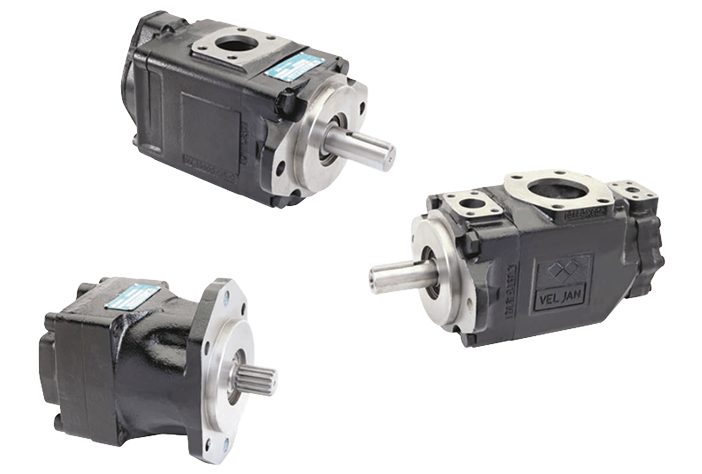
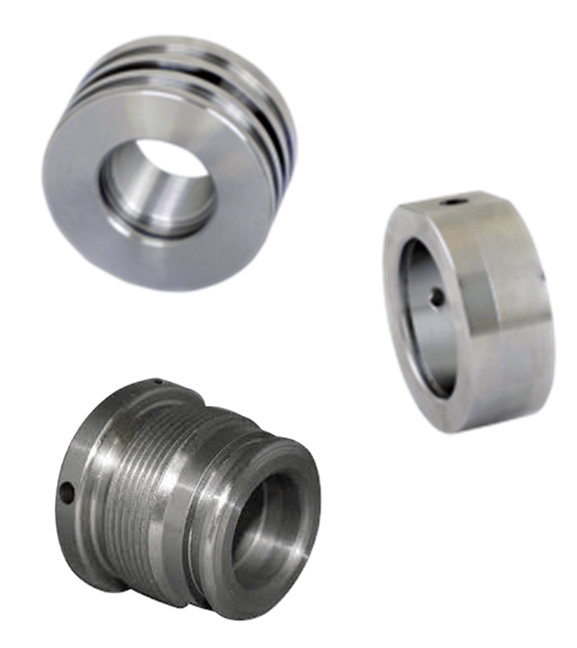
In-House Machine Shop
An in-house machine shop means we control quality and lead time. We make obsolete parts when the manufacturer no longer does.
Beyond Repair
We don’t just repair — we build. Our team designs and assembles:
Coverage
Walk-in service is ideal for customers within approximately 12 miles of Clinton, MA, including:
Clinton · Sterling · Lancaster · Berlin · Bolton · Boylston · West Boylston · Holden · Princeton · Leominster · Shirley · Ayer · Hudson · Marlborough · Northborough · Southborough · Westborough · Grafton · Shrewsbury · Worcester
Drop-Off Welcome
Drop off your component at 184 Stone St, Unit 5, Clinton, MA 01510, Monday through Friday, 8 AM to 5 PM. Call ahead if you have a large cylinder or want to discuss your project first.
Hydraulic Component Repair · T&T Weber Hydraulic Inc.
The most common reason for hydraulic cylinder repair is a damaged seal. Seals are integral to the proper functioning of hydraulic cylinders. When they become compromised, often due to dirty oil introducing metal particles and other contaminants, they can lead to leaks and inefficiencies. Over time, these leaks can escalate, causing more significant damage and affecting the overall performance of the hydraulic system.
To avoid damage, it’s crucial to maintain the cleanliness and integrity of your hydraulic fluid. Dirty hydraulic oil is a leading cause of many hydraulic issues, as it can introduce contaminants that wear down components faster. Regular inspections of your hydraulic equipment can also help identify potential problems early on. By ensuring that both the ports are free from debris and the hydraulic fluid is clean, you can significantly enhance your cylinder’s performance and lifespan.
A bent rod in a hydraulic cylinder is a serious concern as it can hinder the cylinder’s performance. The best course of action is to closely inspect the cylinder components, especially the cylinder rod. Depending on the extent of the damage, it might be necessary to replace the rod. In some cases, if the damage is extensive and affects other components, it might be more cost-effective and efficient to consider investing in a new cylinder altogether.
Yes, hydraulic cylinders utilize various seals, each serving specific functions and purposes. It’s vital to understand the role of each seal type during hydraulic repairs. When replacing damaged parts, it’s essential to ensure the correct type of seal is used. Even if some seals aren’t visibly damaged, it’s often a good practice to replace old seals with new ones to ensure the longevity and efficiency of the repair.
The decision to repair or replace a hydraulic cylinder depends on the extent of the damage. Minor issues, such as a damaged seal or slight wear, can be addressed with repairs. However, if there’s extensive internal damage or if multiple components are compromised, the cost and effort of repairs might outweigh the benefits. In such cases, investing in a new cylinder might be the more cost-effective and efficient choice.
Talk to us about a rental, or send a sample for analysis first.